
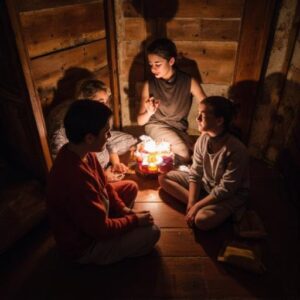
Why Spiritual Activities Matter for Today’s Children
Many parents searching for spiritual activities for students aren’t looking to teach beliefs.
They’re looking to help their child:
- Calm down
- Feel safe
- Process emotions
- Understand big feelings
- Cope with sensitivity
- Sleep better
- Focus better
Spiritually sensitive and intuitive children don’t benefit from more stimulation. They benefit from meaningful, grounding activities that help them connect to themselves, not escape reality.
Spiritual activities for kids are not about angels, ghosts, or unseen things. They are about:
- Awareness
- Regulation
- Reflection
- Emotional safety
- Inner calm
When used properly, these activities help children feel in control of their inner world.
What “Spiritual Activities” Actually Mean for Students
For children and students, spiritual activities are:
- Quiet, intentional moments
- Activities that slow the nervous system
- Ways to notice thoughts and feelings
- Tools for grounding and self-awareness
They are not:
- Religious lessons
- Meditation marathons
- Forced positivity
- Visualization overload
Children need short, simple practices that feel natural and optional.
Which Students Benefit Most From Spiritual Activities
These activities are especially helpful for:
- Highly sensitive children
- Empathic kids
- Intuitive students
- Children with big emotions
- Kids who struggle to sleep
- Students who feel overwhelmed easily
- Creative or imaginative children
Even children who don’t identify as “spiritual” benefit from these practices because they support emotional intelligence.
How Parents and Educators Should Introduce Spiritual Activities
The key is low pressure.
Spiritual activities work best when they are:
- Optional
- Short
- Calm
- Non-judgmental
- Part of a routine
Never frame them as:
- “You need this”
- “This will fix you”
- “This is because something is wrong”
Instead, say:
- “Let’s try something calming.”
- “This might help you relax.”
- “We can stop anytime.”
Mindful & Spiritual Activities for Students (Practical and Simple)
Below are activities that work across ages, from early primary to teens. Parents can use these at home, and educators can adapt them for classrooms.
1. Emotion Check-In (2 Minutes)
What it is:
A short pause to identify feelings without judgment.
How to do it:
Ask:
- “What feeling is strongest right now?”
- “Where do you feel it in your body?”
- “Is it heavy or light?”
No fixing. No analysing. Just noticing.
Why it works:
Children learn emotional awareness without overwhelm.
2. Grounding Through the Senses
What it is:
A simple awareness exercise using the body.
How to do it:
Ask the child to name:
- 3 things they can see
- 2 things they can hear
- 1 thing they can feel
Why it works:
It pulls awareness out of anxious thoughts and back into the present moment.
3. Quiet Breathing With Visual Focus
What it is:
Breathing paired with a simple visual anchor.
How to do it:
- Sit comfortably
- Breathe in slowly through the nose
- Breathe out through the mouth
- Focus on a candle, plant, or soft light
Keep it under 3 minutes.
Why it works:
It calms the nervous system without requiring imagination.
4. Drawing Feelings Instead of Explaining Them
What it is:
Using art to express internal states.
How to do it:
Say:
- “Draw how today felt.”
- “Use colours instead of words.”
No interpretation is required.
Why it works:
Children often understand feelings visually before verbally.
5. Nature-Based Spiritual Activities
What it is:
Using nature to regulate energy and emotion.
Examples:
- Sitting under a tree
- Barefoot walking on grass
- Watching clouds
- Collecting stones or leaves
Why it works:
Nature naturally grounds sensitive nervous systems.
6. Gratitude Without Pressure
What it is:
Acknowledging small positives.
How to do it:
Ask:
- “What was one okay thing today?”
- “What felt safe or calm?”
Avoid forced positivity.
Why it works:
It shifts focus gently without dismissing difficult emotions.
7. The “Safe Space” Visualization
What it is:
A simple internal boundary exercise.
How to do it:
Ask the child to imagine:
- A place they feel safe
- Calm colours
- Comforting surroundings
If they don’t want to imagine, don’t push it.
Why it works:
It builds a sense of internal security.
8. Journaling for Older Students
What it is:
Short, guided reflection.
Prompts:
- “Today felt…”
- “Something that helped was…”
- “Something that was hard was…”
Why it works:
It builds self-awareness and emotional processing skills.
Spiritual Activities at Night for Better Sleep
Night-time is when sensitive students struggle most.
Helpful practices include:
- Dimming lights early
- Quiet conversation
- Gentle breathing
- Reassuring language
- Consistent routines
Avoid:
- Heavy discussions
- Intense visualization
- Over-stimulation
The goal is settling, not insight.
What Parents Should Avoid When Teaching Spiritual Activities
Avoid:
- Turning activities into rules
- Expecting immediate results
- Comparing children
- Over-explaining meanings
- Using fear-based language
Spiritual activities are tools — not tests.
How These Activities Support Spiritual Sensitivity
When practiced gently and consistently, these activities help students:
- Feel emotionally safe
- Understand their sensitivity
- Reduce overwhelm
- Improve focus
- Sleep better
- Build emotional resilience
They don’t increase sensitivity — they stabilise it.
When Spiritual Activities Aren’t Enough
If a child:
- Experiences constant fear
- Struggles daily with emotions
- Withdraws socially
- Shows distress that interferes with life
Additional emotional or professional support may be helpful.
This doesn’t mean the child is broken — it means they need more support.
How This Post Supports the Spiritual Kids Pillar
This article supports:
- Spiritual Sensitivity in Kids
- Children Who See Angels
- The 8 Types of Spiritually Sensitive Kids
It gives parents practical actions, which is exactly what modern readers want.
This post works especially well as:
- An internal link from your Start Here page
- A downloadable activity guide
- A parent resource hub
A Grounded Note for Parents and Educators
Spiritual activities for students don’t need labels, beliefs, or explanations.
Children don’t need to understand spirituality — they need to feel safe in themselves.
When you give them tools to calm, notice, and express what’s happening inside, you’re not teaching spirituality.
You’re teaching self-trust.
And that’s the foundation of every healthy, intuitive, emotionally intelligent adult.