
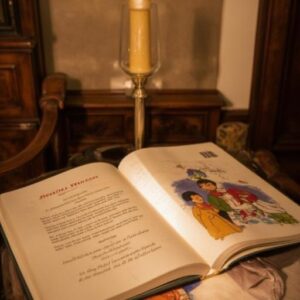
Spiritual stories for kids have always existed, long before modern labels or categories. Parents used to call them bedtime stories, family stories, or things that happened once. Today, many parents notice that their children respond strongly to stories involving angels, gentle spirits, dreams, intuition, or unseen helpers.
Not because the stories are dramatic — but because they feel familiar.
Children who are emotionally or spiritually sensitive often recognise something in these stories that feels personal, even if they can’t explain why. For parents, spiritual stories can become a calm, safe way to open conversations without fear, pressure, or belief systems attached.
This article explores how spiritual stories help children, how parents can use them gently, and how they naturally support emotional development, imagination, and a sense of safety.
What Are Spiritual Stories for Kids?
Spiritual stories for children are not sermons, lessons, or belief-based teachings. They are simple narratives that include elements such as:
- Gentle angel-like helpers
- Friendly or neutral spirit encounters
- Dreams with meaning
- Intuition or “inner knowing”
- Comforting presences during fear or sadness
- Messages of reassurance, protection, or calm
Many of the stories shared on angelsghosts.com/ over the years come from adults remembering experiences they had as children — often stories they were never allowed to talk about at the time.
For kids, these stories aren’t about proof. They’re about recognition.
Why Children Respond Strongly to Spiritual Stories
Children don’t approach stories analytically. They approach them emotionally and intuitively.
When a child hears a spiritual story, they’re not asking:
- “Is this real?”
- “Is this scientifically accurate?”
They’re asking:
- “Does this feel safe?”
- “Does this make sense to me?”
- “Have I felt something like this before?”
That’s why spiritual stories often resonate most with:
- Sensitive children
- Empathic kids
- Children who talk about dreams or unseen friends
- Kids who ask big questions about life and death
- Children who feel emotions deeply
The Difference Between Scary Stories and Spiritual Stories
Parents sometimes worry that stories involving ghosts or angels might frighten children. The difference lies in tone and intention.
Spiritual stories for kids:
- Avoid shock or fear
- Focus on comfort, curiosity, or reassurance
- Allow questions without pushing answers
- Don’t rush to explain or label experiences
These stories often end with calm rather than excitement.
A good rule:
If the story leaves the child feeling calmer than before, it’s appropriate.
How Spiritual Stories Support Emotional Development
Spiritual stories don’t just entertain — they help children process emotions they don’t yet have words for.
1. They Normalize Unusual Feelings
When a child hears a story about another child who:
- Felt watched but wasn’t harmed
- Had a comforting dream
- Sensed someone near during sadness
They realise they’re not alone.
2. They Reduce Fear Without Denial
Rather than saying “nothing happened,” stories show:
- Experiences can be confusing but not dangerous
- Feelings can exist without needing explanation
- Calm responses are possible
3. They Encourage Expression
Children often respond with:
- “That happened to me once.”
- “I dreamed something like that.”
- “I don’t see them, but I feel them.”
This opens conversation naturally.
Using Spiritual Stories as an Activity (Not Just Reading)
Spiritual stories work best when they’re interactive, not instructional.
Here are simple, practical ways parents can use them.
Activity 1: Read and Pause
Instead of reading straight through:
- Pause at gentle moments
- Ask open questions:
- “How do you think the child felt?”
- “Would that feel nice or confusing?”
- Let the child guide the discussion
No correcting. No interpreting.
Activity 2: Draw the Story
After the story:
- Ask the child to draw a scene
- Or draw how the story made them feel
This helps children process experiences visually instead of verbally.
Activity 3: “What Would You Do?”
Ask:
- “If you felt that, what would help you feel safe?”
- “Who would you talk to?”
- “What would you say if you felt scared?”
This builds emotional problem-solving without fear.
Activity 4: Story Reflection Journal
For older kids:
- One page per story
- Prompts like:
- “This part made me feel…”
- “This reminded me of…”
- “If this happened to me, I would…”
This becomes a grounding routine rather than a spiritual exercise.
True-Story Style Narratives and Why They Matter
Many spiritual stories for kids are based on real childhood experiences — not because they need to be proven, but because they carry authenticity.
True-story style narratives often include:
- Ordinary settings (bedrooms, hallways, backyards)
- Familiar emotions (fear, comfort, curiosity)
- Simple language
- Calm adult responses
Children trust stories that feel ordinary.
That’s why dramatic paranormal storytelling doesn’t work well for younger audiences — it overwhelms rather than reassures.
Angels, Ghosts, and Gentle Presences in Children’s Stories
Children often interpret experiences through the language they already have.
A comforting presence may be described as:
- An angel
- A light
- A grandparent
- A “helper”
- Someone who doesn’t talk but feels nice
Parents don’t need to define or label these experiences.
The role of the adult is to:
- Keep the environment calm
- Focus on the child’s emotional response
- Avoid jumping to conclusions
Spiritual stories model this calm response for both children and parents.
When to Introduce Spiritual Stories to Kids
There’s no perfect age. The right time is usually when a child:
- Asks questions about unseen things
- Talks about dreams vividly
- Expresses fear of the dark or being alone
- Shows curiosity about life and death
- Mentions sensing someone nearby
Stories should respond to curiosity — not create it.
What Parents Should Avoid When Using Spiritual Stories
Even gentle stories can become overwhelming if adults push too hard.
Avoid:
- Telling children what the experience “means”
- Turning stories into lessons
- Asking leading questions
- Sharing adult fears or beliefs
- Over-explaining
Children don’t need answers — they need space.
Spiritual Stories as a Bedtime Tool
Many parents find these stories especially helpful at night.
Used correctly, they can:
- Reduce bedtime anxiety
- Normalize night-time sensations
- Encourage calm reflection
- Replace fear-based thoughts
Tips for bedtime use:
- Keep stories short
- Read slowly
- Use soft lighting
- End with reassurance, not mystery
How Spiritual Stories Strengthen Parent–Child Trust
One of the most important effects of spiritual stories is trust.
When a child realises:
- They can talk about unusual feelings
- They won’t be laughed at or dismissed
- Their emotions are taken seriously
They learn that home is a safe place for honesty.
Many adults who write to angelsghosts.com/ say the same thing:
“I stopped telling my parents because they didn’t listen.”
These stories help prevent that silence.
Spiritual Stories Are Not About Belief — They’re About Safety
Parents don’t need to believe in angels or ghosts to use spiritual stories effectively.
They only need to believe in:
- Listening
- Emotional safety
- Calm responses
- Letting children explore feelings at their own pace
Spiritual stories are simply one of many tools that help children feel understood when their inner world feels bigger than their vocabulary.
A Quiet Reminder for Parents
If your child connects deeply with spiritual stories, it doesn’t mean something is wrong.
It usually means:
- They feel deeply
- They imagine vividly
- They sense emotionally
- They’re processing the world in layers
Stories don’t create sensitivity.
They help children navigate it.